
Est. 2009
"We read the filing before we read the brief."
Your Idea Has Value.
Here's How to Prove It.
Docket builds walls of protection around inventions — from the first provisional filing to the final licensing negotiation. We work with startup CTOs, in-house counsel, and solo inventors who know their idea is worth defending.
1,400+
Patents Filed
94%
Grant Rate
17 yrs
Practice Depth

Free Resource
Patent Readiness Checklist
12 questions to answer before filing your first claim. Used by 3,200+ inventors.
Download PDFPatent Strategy · Section 01
What Can Be Protected — and What Cannot.
A patent protects a novel, non-obvious, and useful invention — but the word "invention" is narrower than most founders expect. Software is patentable when it produces a concrete technical result. Business methods are patentable when they solve a technical problem. Abstract ideas, on their own, are not.
A provisional patent application buys you 12 months of "patent pending" status and establishes your priority date — the single most important timestamp in IP law. If you sketched something six months ago and haven't filed, the clock is already running against you.
Priority date = the date you can prove you invented it
Provisional → Non-provisional within 12 months
Claims define the boundary of your protection
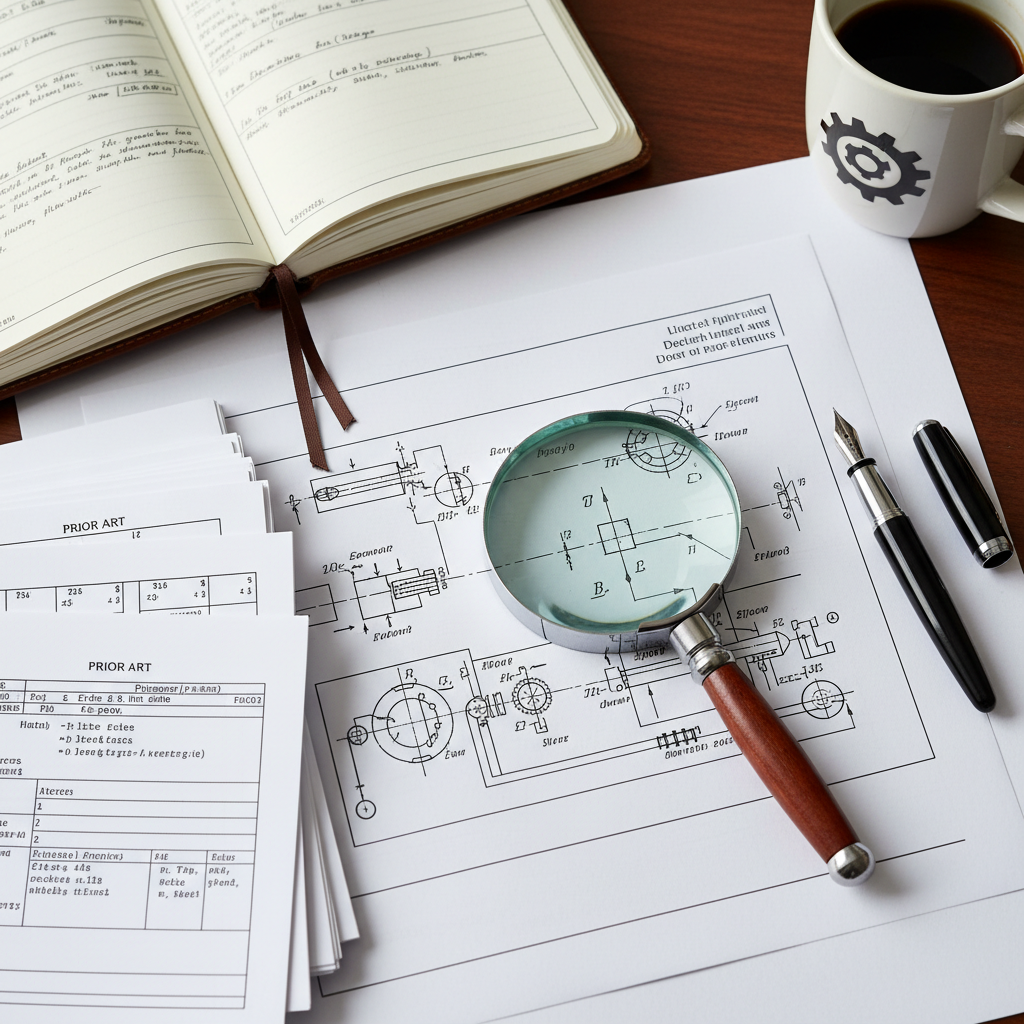
Prior art search before filing saves years of pain
“The most expensive mistake I see is founders waiting until their product launches to file. By then, they've publicly disclosed their invention and may have forfeited international rights entirely.”
Marcus R. Holt
Partner · Patent Prosecution · 14 yrs USPTO experience
Trademark Registration · Section 02
Your Brand Is an Asset. Register It Like One.
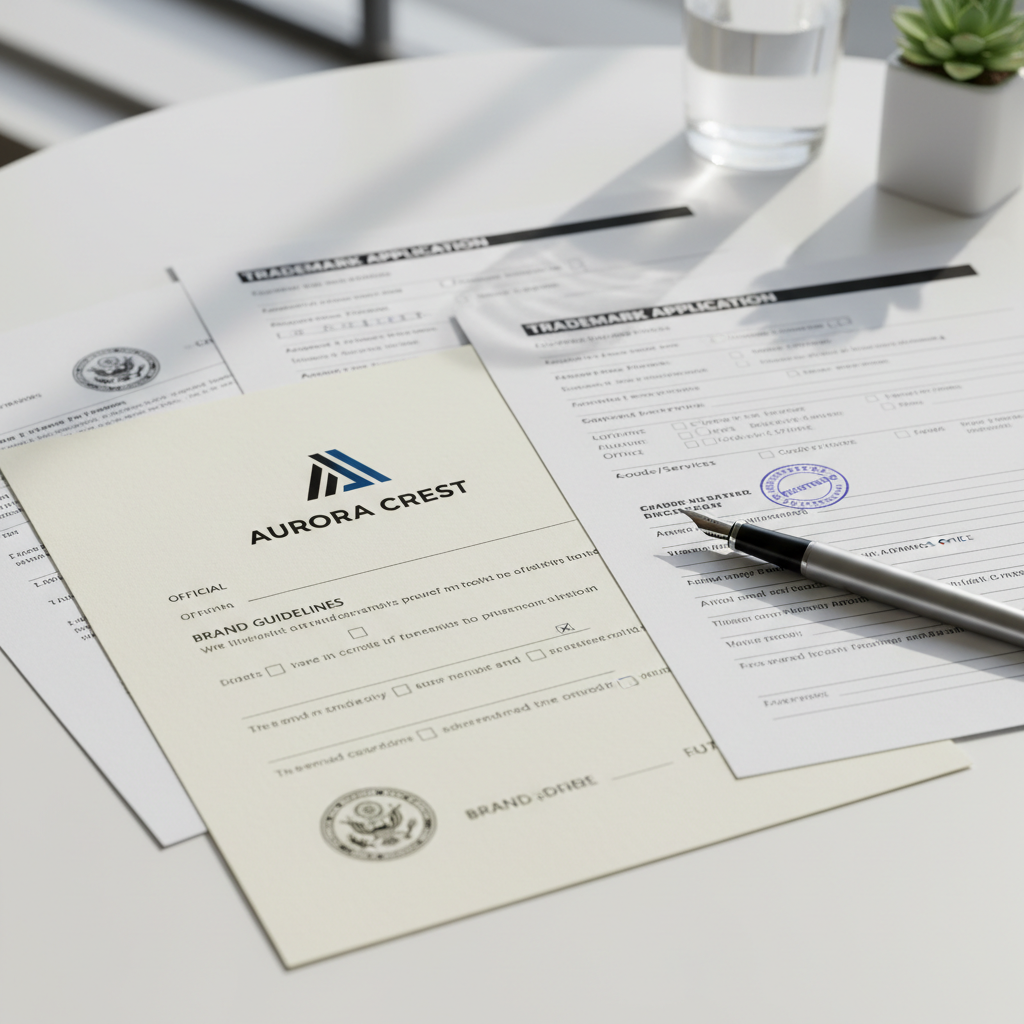
A trademark protects the source identifiers of your business — your name, logo, tagline, product packaging, even a distinctive color. Registration on the Principal Register gives you nationwide priority and the legal presumption that you own the mark. Without it, your rights are limited to the geographic area where you actually use it.
The clearance search is where most self-filers fail. A mark can be refused not just for identical conflicts, but for "likelihood of confusion" — a legal standard that looks at sound, appearance, and the commercial impression a mark leaves on an ordinary consumer. We run comprehensive searches before any application touches the USPTO.
Clearance Search
Federal, state, and common law
Class Selection
Identify the right goods & services
Application Filing
TEAS Plus or TEAS Standard
Office Actions
Respond to USPTO examiner refusals
“I've seen startups spend $200K building brand equity on a name that was already registered in their class. A $900 clearance search would have changed everything.”
Serena Liao
Senior Associate · Trademark Prosecution & Brand Strategy
Free Resource
Trademark Class Selection Table
All 45 Nice classes mapped to common product/service categories. Print and annotate.
Download PDF
Free Resource
License Structure Flowchart
Exclusive vs. non-exclusive vs. field-of-use. Walk through the decision tree for your situation.
Download PDFLicensing Frameworks · Section 03
Your Patent Is a Revenue Stream. Structure It Accordingly.
A patent that sits in a drawer generates nothing. A well-structured licensing program turns your IP portfolio into a recurring revenue source — royalties, upfront fees, sublicensing rights, and cross-licensing arrangements that give you freedom to operate in crowded technical spaces.
The architecture of a license agreement determines everything: whether you retain manufacturing rights, which territories are covered, what quality controls the licensee must meet, and what triggers termination. We draft licensing frameworks that protect the licensor's leverage at every stage.
| License Type | Best For |
|---|---|
| Exclusive | Single strategic partner, max royalty |
| Non-Exclusive | Broad adoption, multiple licensees |
| Field-of-Use | Segment markets without conflict |
| Cross-License | Freedom to operate in dense patent space |
“Founders think licensing is something you do after you're big. The truth is a well-drafted license in year two can fund your series A. The patent becomes the collateral.”
Daniel Kowalski
Partner · IP Transactions & Licensing · Former BigLaw M&A
Enforcement & Litigation · Section 04
Someone Copied You. Here's What Happens Next.
Enforcement begins before litigation. A well-crafted cease-and-desist letter, backed by a documented infringement analysis, resolves most disputes before they reach a courtroom. When they don't, we litigate in district court, handle inter partes review proceedings at the USPTO, and pursue ITC exclusion orders against infringing imports.
If you're on the receiving end of an infringement claim, the calculus is different: invalidity arguments, non-infringement positions, and the business decision of whether to license, design around, or fight. We give you the real numbers — not the optimistic ones.
87%
C&D Resolution Rate
$2.4M
Avg. Damages Recovered
12 wks
Avg. to Settlement
“The first question I ask every enforcement client is whether the infringer has anything worth collecting. The second is whether the patent can survive an IPR challenge. Both answers shape every decision that follows.”
Theresa Pham
Litigation Partner · District Court & PTAB · 11 jury trials

Free Resource
Infringement Response Flowchart
Received a C&D? Filed one? This decision tree maps your options at each stage of an IP dispute.
Download PDFIP Protection Toolkit
Everything You Need to Start Protecting Today.
The Docket IP Protection Toolkit includes the Patent Readiness Checklist, Trademark Class Table, License Structure Flowchart, and Infringement Response Decision Tree — four documents that take you from “I have an idea” to “I have a strategy.”
Patent Readiness Checklist (12-point)
Trademark Class Selection Table (all 45 classes)
License Structure Flowchart
Infringement Response Decision Tree